
Let’s be honest for a moment. You’ve likely spent thousands—perhaps tens of thousands—on your machine. You’ve bought the aftermarket suspension, the bucket seats, and the light bar that can be seen from the International Space Station. Yet, most of you are ruining the ride because of the air pressure inside your tires.
Most owners simply glance at the sticker on the frame, fill the tires to the manufacturer's recommended number, and forget about it. They drive around bouncing like a ping-pong ball in a dryer, missing out on the dramatic performance improvements that come from finding the proper tire pressure.
Getting this right is the single most effective (and free) upgrade you can make. It spells the difference between conquering rough terrain and spinning out halfway up; between floating over sand and digging a trench to the center of the earth.
The Cheat Sheet: The "Don't De-Bead" Matrix
If you are currently sitting on a trail reading this on your phone while your buddies yell at you to hurry up, here is the short version.
We have broken this down by Wheel Type. This is critical. If you run low pressures on stock wheels, you risk rolling the tire right off the rim. If you have beadlocks, you have paid for the privilege of running lower pressures for better grip.
| Terrain | Stock Wheel PSI (Safe Zone) | Beadlock PSI (Performance Zone) | The "Why" |
| General Trail | 12–16 PSI | 10–14 PSI | Balances rim protection with shock absorption. |
| Mud / Deep Mud | 8–10 PSI | 6–8 PSI | Maximizes footprint to float; stock wheels risk de-beading below 8 PSI. |
| Soft Sand (Dunes) | 8–10 PSI | 4–7 PSI | Digging kills momentum. Beadlocks allow "god-tier" traction here. |
| Deep Snow | 10–12 PSI | 8–10 PSI | Grip on powder without cracking cold sidewalls. |
| Rock Crawling | 10–12 PSI | 6–8 PSI | Envelops the rock for grip; stock rims dent easily below 10 PSI. |
Note: "Stock Wheel" pressures are conservative to keep the tire seated on the rim. Always start at the higher end of these ranges and work your way down to find your personal sweet spot.
Understanding UTV Tire Pressure Fundamentals
To understand the full benefits of low pressure, you have to ignore everything you learned about driving a passenger car. Your Toyota Camry typically runs 30–35 PSI. Your UTV tires, however, thrive in the single digits to low teens.
The Science of the "Squish"
PSI stands for Pounds per Square Inch. It measures the force the air is exerting inside the tire carcass. When you drop your air pressure, the tire doesn't just get softer; it flattens out. This creates a larger footprint (contact patch) that distributes the weight of your machine over a much broader area.
- Higher Pressure: The tire acts like a pizza cutter, slicing into soft surfaces. It offers less rolling resistance, which can slightly improve fuel economy, but it kills your traction on loose dirt.
- Lower Pressure: The tire acts like a snowshoe. It prevents sinking and provides better grip.
The "Poor Man’s Suspension"
Tire pressure dramatically affects ride comfort. If you run high pressure on rough terrain, every single pebble sends a jolt through the chassis and up your spine.
Dropping the pressure allows the tire sidewall to flex. This additional shock absorption soothes out bumps and improves ride quality on rough trails before the impact even reaches your expensive shocks.
So, why does the owner's manual recommend higher pressure (usually 12–14 PSI or higher)? It’s a compromise. Manufacturers prioritize safety, stability, and tire longevity over optimal tire pressure for specific performance needs. We are here to unlock the performance.
Terrain-Specific Guides
1. General Trail Riding (12–16 PSI)
Best for: Mixed dirt, rocks, roots, and hardpack.

Trail riding is tricky because the terrain changes every mile. You might be on soft loam one minute and slamming into sharp limestone the next. You need a setup that provides balance—something that does everything well.
For general trail riding, 12–16 PSI is the sweet spot. This range works exceptionally well for stock tires and popular all-terrain options like the ITP Coyote.
When to keep pressure higher (14–16 PSI): If you are riding fast on hard packed trails or rocky terrain, lean toward the high side. Higher pressure stiffens the sidewall, which does two critical things:
- Prevents Pinch Flats: If you hit a square-edged rock at speed with low tire pressure, you will pinch the tire against the rim. Higher pressure protects the rims.
- Steering Precision: It reduces tire roll during aggressive cornering, making the handling feel sharper.
When to go lower (12–14 PSI): For rougher trails full of roots and washouts, drop to 12 PSI or slightly higher. The increased shock absorption makes the machine feel more planted and confident.
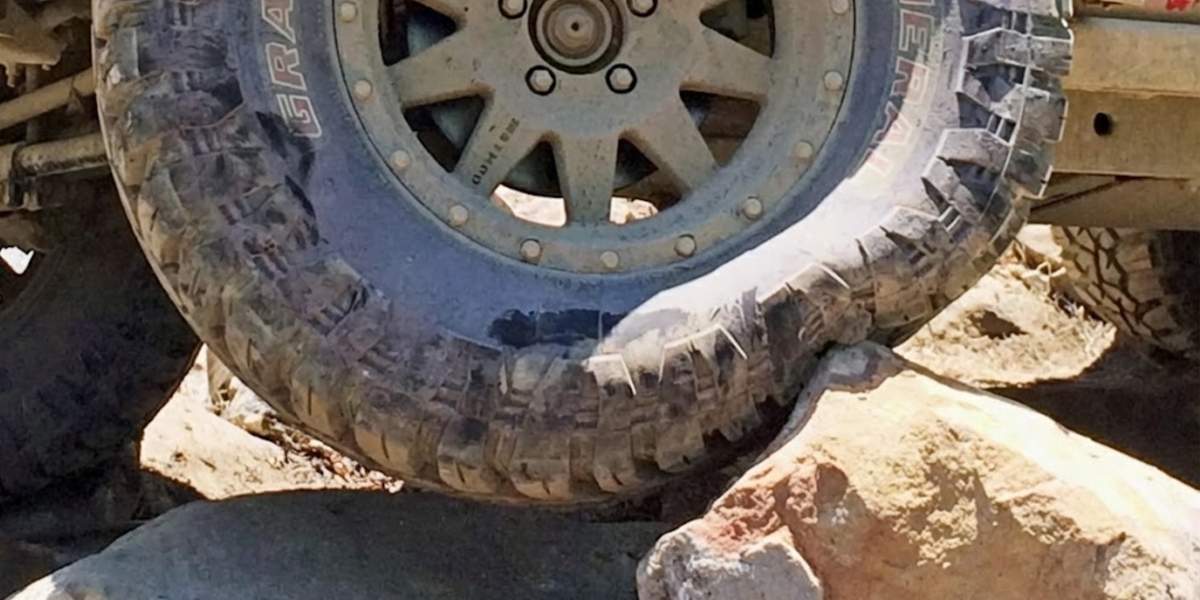
- Rock Crawling: If you are specifically rock crawling, you want the tire to envelop the rock. You can drop closer to 10 PSI, but be wary of rim damage.
2. Mud: Float Like a Butterfly, Sting Like a... Bee? (6–10 PSI)
Best for: Deep ruts, soupy bogs, and sticky clay.

Mud is the enemy of momentum. If your tires are too hard, they will cut straight through the mud until they hit the bottom—or until your chassis is resting on the ground.
Running 6–10 PSI maximizes your tire’s footprint, allowing you to float over deep mud rather than sinking.
- Paddle Effect: The lugs spread out and flex, acting like paddles to scoop the mud and propel you forward.
- Self-Cleaning: As the tire spins, the flexible carcass shakes loose sticky mud that would otherwise clog up your aggressive tread pattern.
Warning: If you are in thick, sticky mud, stick to the 8–10 PSI range if you have stock wheels. The suction of the mud can literally pull the tire bead off the rim if the pressure is too low. If you have bead locks, you can safely drop to 6–8 PSI for maximum flotation.
Watch your temps: Spinning tires in mud generates heat, and mud acts as an insulator. Monitor your tires so they don't overheat.
3. Sand: The Flotation Game (6–8 PSI)
Best for: Dunes and soft beach riding.

Sand is perhaps the most pressure-sensitive terrain on earth. The difference between 12 PSI and 7 PSI in the dunes is the difference between soaring over a razorback and digging a hole halfway up the face.
You need to run 6–8 PSI to prevent the tires from digging in. In soft sand, the lower end (6–7 PSI) is superior because it maximizes that contact patch to keep your momentum up. If you stay at higher pressure, your tires cut through the sand like a knife, creating deep ruts that trap the vehicle.
Wet Sand vs. Dry Sand: If the sand is wet or packed, you can run slightly higher pressures (8–10 PSI) for better sidewall stability without losing too much traction.
Pro Tip: For specialized sand riding with bead locks, experienced riders sometimes drop to 4–6 PSI. This provides god-tier traction but creates a very high risk of tire damage if you hit anything harder than a sand castle. If you run paddle tires specifically for dunes, check the manufacturer's spec, but they generally follow similar low-pressure rules.
4. Snow and Ice: The Cold Reality (8–12 PSI)
Best for: Deep powder and icy trails.

Snow riding is similar to sand—you need flotation—but with a dangerous twist: the cold. 8–12 PSI is generally the safe range here.
- Deep Snow: Drop to 8–10 PSI. The larger footprint keeps you on top of the powder, and the lugs can grab the snow more effectively.
- Ice/Packed Snow: Run 10–12 PSI. You want a firmer tire to dig the edges (or studs) into the hard surface.
The Temperature Trap: This is critical: Temperature changes dramatically affect pressure. A 30°F drop in temp can reduce your tire pressure by 3–4 PSI. If you fill your tires to 8 PSI in a heated garage and then park outside in freezing weather, you might come back to tires sitting at 4 PSI. Always check pressure in the cold before you ride.
Critical Factors: It’s Not Just About the Dirt
You can't just pick a number from a blog post and hope for the best. You have to account for your specific rig.
1. The Weight Game
Are you riding solo, or do you have three passengers, a spare tire, a cooler full of beverages, and a heavy tools kit?
- Your UTV’s total weight significantly impacts optimal tire pressure.
- Rule of Thumb: For every additional 100 pounds of load, you generally need to add 1–3 PSI. If you don't, the extra weight will cause excessive sidewall flex, which makes the handling feel "wallowy" and heats up the tire.
2. The Wheel Factor: Stock vs. Bead Locks
This is the biggest safety constraint on how low you can go.
- Stock Wheels: These rely on air pressure to push the tire bead against the rim to create a seal. If you go below 8–10 PSI, a hard corner can pull the bead away from the rim, causing an instant flat tire (and potentially a rollover).
- Bead Locks: These use a mechanical ring to clamp the tire to the wheels. They allow you to run safe pressures for beadlocks as low as 6 PSI without the tire popping off. If you want to get serious about sand or rock crawling, buy beadlocks.
3. Tire Construction: Radial vs. Bias
Most modern UTVs use radial tires. Radials handle low tire pressure much better than the old-school bias-ply tires because their internal belt structure resists distortion. Radial tires perform well across the recommended pressure ranges without excessive wear. If you are running older bias-ply tires, you may need to keep pressures slightly higher to maintain stability.
Tools of the Trade: Don't Guess
Kicking the tire and saying "that feels firm" is not a measurement.
1. The Gauge: Do not use the tire gauge from your truck’s glovebox. Standard automotive gauges are designed for 30–50 PSI and are notoriously inaccurate at low pressures. You need an accurate low-pressure gauge specialized for UTV applications.
- Digital: Best for precision. Many offer 0.1 PSI resolution, which matters when you are tuning between 6 and 7 PSI.
2. Portable Air Compressor: If you air down for the mud, you need to air up for the hard-pack ride home (or if you hit pavement). A portable air compressor is essential. A quality 12V unit can inflate a UTV tire from 6 to 15 PSI in about 2–3 minutes. This allows you to adjust settings as the terrain changes.
3. The Deflator: Standing there poking the valve stem with a key is tedious. Use a rapid deflation tool or a valve core remover to drop pressure quickly.
Safety and Pro Tips
Before you go rushing out to drain the air from your tires, keep these safety rules in mind.
- Mounting Danger: Never exceed 20 PSI when seating a bead during the mount procedure. It’s dangerous.
- Inspect Often: Low pressure increases tire flex. This makes the sidewalls more susceptible to cuts and stress cracks. Check your sidewall protection and look for bulges or abrasions.
- Fuel Economy: Be aware that lower pressure increases rolling resistance. You will burn more fuel to cover the same distance. If you are on a long expedition, this might be a factor in your planning.
- The "Cold" Truth: Always set your baseline pressure when the tires are cold (sitting for at least three hours). As you ride, friction heats the tire, and pressure will naturally rise by 2–4 PSI. Do not let air out to correct this mid-ride; it is normal.
- Pavement: If you have to drive on pavement to get to the trail, air up. Driving on asphalt with low pressure will destroy your new tires in minutes due to heat buildup.
- Start Conservative: If you usually run 15 PSI, don’t jump straight to 8 PSI. Drop to 12 PSI, see how it feels, and adjust from there. Large changes can make the handling feel unstable if you aren't ready for it.
The Bottom Line
Finding the correct PSI for your specific machine and riding style takes a bit of experimentation. But once you find that sweet spot, the difference is night and day. Your machine will climb better, ride smooth, and grip harder.
Start with the ranges in this guide, adjust for your load, and listen to what your UTV is telling you. The right tire pressure transforms good rides into great ones—and keeps you from being the guy stuck in the mud pit while everyone else is eating lunch
